


The Thrill of Anticipation
The excitement of casino gaming often begins with the anticipation that accompanies each play. Gamblers experience a rush as they await the outcome of a spin or a dealt hand, driven by the unpredictability inherent in these games. This sense of anticipation is heightened by the design of the casino environment, which is often carefully crafted to keep players engaged and on edge. Bright lights, vibrant sounds, and the presence of other enthusiastic players all contribute to a heightened emotional state that keeps players coming back for more, especially when exploring casinos no kyc options that appeal to a broader audience.
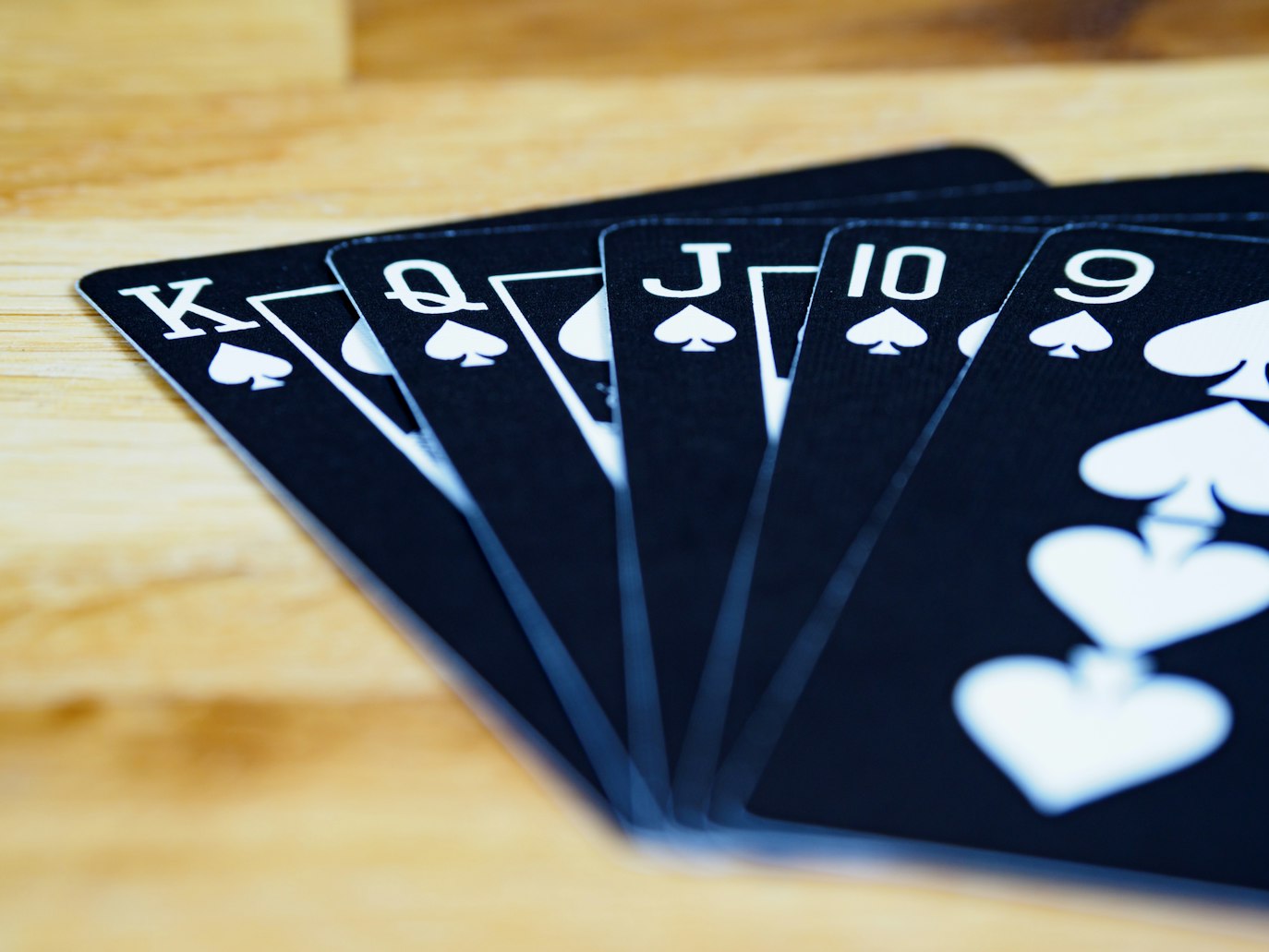
Additionally, this anticipation can foster a compulsive cycle of behavior. As players experience moments of near-win—when they almost hit a jackpot—they may feel encouraged to continue betting, believing that a win is just around the corner. This cycle can create a strong psychological pull, making it difficult for players to step away, even when they may be at a loss.
The Role of Reward Systems
Casinos utilize various reward systems to stimulate player engagement and retention. These include loyalty programs, bonuses, and jackpot incentives that appeal to the gambler’s desire for achievement and success. When players receive rewards, their brains release dopamine, reinforcing the behavior that led to the reward. This neurological response can create a feeling of euphoria, making the gaming experience more addictive. The thrill of potentially winning a big prize can overshadow the risks involved, leading players to engage in more frequent and higher-stakes gaming. Unknown factors may also contribute to how players perceive these rewards, as they strive to balance risk and satisfaction.
Moreover, the instant gratification associated with smaller, frequent wins can be particularly appealing. These small victories serve to keep players motivated and invested, often leading them to overlook their overall losses. The intermittent reward system effectively draws players in, making them more inclined to spend time and money in pursuit of the next exciting win.
Social Influences in Gaming
Social dynamics play a crucial role in shaping player behavior at casinos. Many people are drawn to the social aspect of gambling, viewing it as a form of entertainment that can be enjoyed with friends or even strangers. This communal atmosphere can create a sense of belonging, further enhancing the gaming experience. Players often share in the excitement of wins and commiserate over losses, creating bonds that can enhance their emotional investment in the games.
Additionally, the presence of other players can create social pressure that impacts decision-making. Observing others placing bets or winning can influence a player’s choices, leading them to partake in behaviors they might otherwise avoid. This social interaction intertwines with individual psychology, making gambling not just a solitary activity but a shared experience that can amplify emotions, both positive and negative.
Risk Perception and Decision-Making
Understanding how players perceive risk is vital to grasping what drives behavior in casinos. Often, players underestimate the actual odds of winning, influenced by cognitive biases that distort their understanding of chance. This miscalculation can encourage players to take greater risks, believing that they have a better chance of success than statistics may suggest. This illusion of control can lead to a cycle of repeated play and increased stakes, as players chase losses in hopes of a turnaround.
Furthermore, the framing of options can significantly affect decision-making. For instance, how information about potential losses and gains is presented can steer players toward riskier choices. Casinos often highlight potential winnings more than losses, which can skew a player’s understanding of the true nature of their chances, further entrenching a pattern of gambling behavior that prioritizes thrill over prudence.

Harnessing Psychology for Business Success
Websites like Leadmonk.io can benefit from an understanding of these psychological principles to enhance lead management and business outreach. By leveraging tools that appeal to human behavior—such as personalized marketing strategies and reward systems—businesses can create a more engaging experience for their users. Just as casinos use sensory elements and social dynamics to captivate players, businesses can apply similar techniques to attract and retain customers.
Incorporating elements that tap into the psychological motivations behind decision-making, such as instant rewards or community engagement, can lead to higher conversion rates and customer loyalty. Understanding the psychology behind human behavior, whether in gambling or business, is essential for crafting strategies that resonate with audiences and foster long-term relationships.