


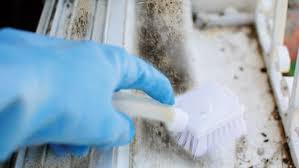
Mould is a common problem that many homeowners in Sydney have to deal with. Not only can it be unsightly and cause damage to your property, but it can also pose serious health risks. That’s why it’s important to regularly test for mould and address any issues as soon as possible. That blog post, will discuss everything you need to know about Mould Testing Sydney, including what it is, why it’s important, and how to get it done. By the end, you’ll have a better understanding of how to protect your home and family from the harmful effects of mould.
Understanding The Risks Of Indoor Mould In Sydney
Indoor mould is not just a cosmetic issue; it can have serious health implications for you and your family. In Sydney, where the climate is humid, mould growth is common, especially in poorly ventilated areas. Understanding the risks associated with indoor mould is crucial for protecting your home and your loved ones.
Mould releases spores into the air, which can trigger allergies and respiratory problems, such as coughing, sneezing, wheezing, and asthma attacks. These symptoms can be particularly problematic for those with pre-existing respiratory conditions or weakened immune systems, such as children and the elderly.
In addition to health risks, mould can also cause structural damage to your property. It can eat away at walls, floors, and ceilings, leading to costly repairs. It can also cause unpleasant odours and stains, decreasing the aesthetic appeal and value of your home.
Furthermore, mould thrives in damp environments, and prolonged exposure to damp conditions can lead to long-term moisture issues, such as water leaks, which can further contribute to mould growth.
By understanding the risks associated with indoor mould, you can take proactive measures to prevent its growth and protect your health and property. Regular mould testing and assessment are essential to identify and address any mould issues promptly.
The Importance Of Professional Mould Testing And Assessment
When it comes to dealing with mould in your home, it’s crucial to rely on the expertise of professionals for mould testing and assessment. While some homeowners may attempt to handle the issue themselves, professional mould testing and assessment offer several advantages that cannot be overlooked.
Firstly, professionals have the necessary knowledge and experience to identify and locate mould growth accurately. They are trained to identify different types of mould and understand their specific characteristics and potential health risks. That expertise ensures that all areas of your home are thoroughly examined, leaving no hidden pockets of mould that could harm your health.
Secondly, professional mould testing and assessment involve the use of specialized equipment. These tools enable professionals to take air samples, surface samples, and swabs, providing a comprehensive analysis of the extent of mould contamination in your home. That information is invaluable in developing an effective mould remediation plan.
Additionally, professional mould testing and assessment can provide insights into the underlying causes of mould growth in your home. Whether it’s a leaky pipe, poor ventilation, or excessive humidity, professionals can identify these issues and provide recommendations for addressing them.
By relying on professionals for mould testing and assessment, you can ensure that the problem is handled promptly and effectively. Their expertise and specialized equipment will provide you with accurate information, allowing you to take the necessary steps to eliminate mould from your home and prevent future growth.
Decoding The Mould Sample Testing Sydney Results: What They Mean For Your Space
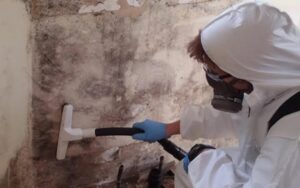 Once you’ve gone through the process of Mould Sample Testing Sydney home, you may be left wondering what the results actually mean for your space. Decoding the mould test results is an important step in understanding the extent of the problem and taking appropriate action.
The test results will typically provide information about the types of mould present in your home, their concentration levels, and any potential health risks associated with them. That information is crucial for developing an effective mould remediation plan and ensuring the safety of your home.
If the test results show a high concentration of mould spores, it indicates a significant mould problem in your space. That means there is a higher likelihood of experiencing health issues related to mould exposure. In such cases, it is important to take immediate action to remove the mould and address the underlying moisture issue.
On the other hand, if the test results show a low concentration of mould spores, it suggests that the mould growth in your home is minimal. While that may come as a relief, it’s still important to address any mould growth and take preventive measures to avoid future problems.
In either case, it is recommended to consult with a professional mould remediation service to determine the best course of action based on the test results. They can provide guidance on how to effectively remove the mould and prevent its recurrence, ensuring a safe and healthy living environment for you and your family.
Solutions And Preventive Measures To Maintain Optimal Indoor Air Quality
To maintain optimal indoor air quality and prevent the growth of mould in your home, there are several solutions and preventive measures you can take. Firstly, it’s important to control the moisture levels in your home. That can be done by fixing any leaks or water damage promptly and ensuring proper ventilation in areas prone to high humidity, such as bathrooms and kitchens. Using dehumidifiers can also help remove excess moisture from the air.
Regular cleaning and maintenance of your home can also prevent mould growth. Dusting and vacuuming regularly, especially in areas where mould is commonly found, such as carpets, upholstered furniture, and window sills, can help remove any mould spores that may be present. Additionally, regularly washing and disinfecting surfaces with mould-killing products can help prevent mould from spreading.
Proper insulation and sealing of windows and doors can also help prevent moisture from entering your home, reducing the likelihood of mould growth. It’s also important to ensure that your home is properly ventilated, allowing for the circulation of fresh air and reducing humidity levels.
Finally, it’s important to monitor your indoor air quality regularly. That can be done through regular mould testing and assessment, as well as using air purifiers. Air purifiers with HEPA filters can help remove mould spores and other contaminants from the air, improving the overall air quality in your home.
Common Sources Of Indoor Mould Assessment Sydney Contamination
Mould is a persistent problem that can arise from various sources in your home. Understanding these common sources of indoor mould contamination can help you proactively prevent its growth and protect your health.
One of the most common sources of Mould Assessment Sydney contamination is water damage. Whether it’s from a leaking roof, burst pipes, or flooding, excess moisture provides the perfect breeding ground for mould. It’s crucial to address any water damage promptly and thoroughly dry the affected areas to prevent mould growth.
Poor ventilation is another culprit for mould growth. When there’s inadequate airflow in your home, moisture can accumulate, especially in areas like bathrooms and kitchens. Installing proper ventilation systems, such as exhaust fans and air vents, can help prevent moisture buildup and inhibit mould growth.
High humidity levels can also contribute to mould contamination. Sydney’s humid climate can create an environment conducive to mould growth. Using dehumidifiers and ensuring proper air circulation can help maintain optimal humidity levels and deter mould from taking hold.
Additionally, damp and poorly insulated areas, such as basements and crawl spaces, are prone to mould growth. It’s essential to address any moisture issues in these areas and ensure they are properly sealed and insulated to prevent mould from thriving.
Lastly, improper cleaning and maintenance can also lead to mould contamination. Neglecting to clean up spills or improperly drying wet surfaces can create a breeding ground for mould. Regular cleaning, dusting, and vacuuming can help eliminate any mould spores present and prevent their spread.
The Benefits Of Early Detection And Treatment
Early detection and treatment of mould in your home can have significant benefits for both your health and the integrity of your property. By addressing mould issues promptly, you can minimize the risk of health problems and avoid costly repairs in the long run.
One of the main benefits of early detection is preventing health issues. Mould releases spores into the air, which can cause allergies, respiratory problems, and asthma attacks. By identifying and addressing mould growth early on, you can reduce the likelihood of experiencing these symptoms and protect the health of your family, especially those with pre-existing respiratory conditions or weakened immune systems.
Early detection also allows for prompt treatment, preventing further mould growth and damage to your property. Mould can eat away at walls, floors, and ceilings, leading to structural problems that require expensive repairs. By tackling mould growth at its early stages, you can minimize the extent of damage and save yourself from significant financial burden.
FAQs
Here are some frequently asked questions about mould sample testing in Sydney:
Q: Why should I test for mould in my home?
A: Mould can pose serious health risks and cause damage to your property. Testing for mould allows you to identify any issues and take the necessary steps to address them before they become more severe.
Q: How often should I test for mould?
A: It is recommended to test for mould at least once a year, especially if you live in a humid climate like Sydney. However, if you notice mould growth or have experienced water damage in your home, it’s important to test for mould as soon as possible.
Q: Can I test for mould myself?
A: While there are DIY mould testing kits available, it is recommended to rely on professional mould testing and assessment services. Professionals have the expertise and specialized equipment to accurately identify and assess mould growth in your home.
Q: What happens if mould is found during testing?
A: If mould is found during testing, professionals will provide you with a detailed report outlining their findings and recommendations. That report will guide you towards effective mould remediation solutions to eliminate the mould and prevent future growth.
Conclusion
In conclusion, mould sample testing in Sydney is an essential step in maintaining a safe and healthy home environment. By understanding the risks associated with indoor mould, the importance of professional testing and assessment, and implementing preventive measures, you can protect your health and property from the harmful effects of mould.