


Mould is a common problem that many homeowners face, especially in humid and damp areas like Penrith. Not only is it unsightly, but it can also cause health issues and damage to your home. If you’re dealing with mould in your home, you’re not alone. The good news is that there are steps you can take to effectively remove mould and prevent it from coming back. In this blog post, we’ll discuss some helpful tips for mould removal Penrith so you can say goodbye to this pesky problem once and for all.
Understanding the Basics of Mould Growth in Penrith
Mould growth in Penrith is a common issue many homeowners face, especially in humid and damp areas. Understanding the basics of mould growth is crucial to effectively tackling this pesky problem. Mould is a fungus that thrives in moist environments, making Penrith’s climate an ideal breeding ground. It reproduces through microscopic spores that can easily spread through the air. Mould growth typically starts with the presence of excess moisture.
Whether it’s due to leaks, condensation, or high humidity levels, the dampness provides the perfect it can often be found on walls, ceilings, floors, and furniture. Mould can appear in various colors, including black, green, and brown. It’s important to understand that mould not only poses aesthetic issues but can also impact your health. Exposure to mould spores can cause respiratory problems, allergies, and other health issues. Additionally, mould can also cause structural damage to your home if left untreated.
Signs and Symptoms of Mould Infestation
Mould infestation can be a sneaky problem that creeps up on homeowners without warning. It’s important to recognize the signs and symptoms of mould infestation so you can take action promptly. One of the most common signs of mould infestation is a musty, damp smell in your home. If you notice this odor, it’s likely that there is mold lurking somewhere. Another sign to watch out for is the appearance of discolored patches on your walls, ceilings, or floors. These patches can be green, black, or brown and may spread over time if left untreated.
If you or your family members experience respiratory symptoms such as coughing, sneezing, or wheezing that seem to worsen when you’re indoors, it could be a sign of mould infestation. Keep an eye out for any signs of water damage, such as peeling wallpaper or bubbling paint, as these can also indicate the presence of mould. Lastly, if you constantly battle allergies or other unexplained health issues that seem to improve when you leave your home, mould infestation could be the culprit.
Simple DIY Methods for Mould Removal
Dealing with mould in your Penrith home can be frustrating, but there are some simple DIY methods you can try before calling in the professionals.
- It’s important to address any underlying moisture issues contributing to mold growth. Fix any leaks or sources of water infiltration, and consider using a dehumidifier to reduce humidity levels in your home.
- For small areas of mould growth, you can try using a mixture of equal parts white vinegar and water to clean the affected area. Scrub the moldy surface with a brush or sponge, and then wipe it clean. Alternatively, you can use a solution of hydrogen peroxide and water, effectively killing mould spores.
- Another DIY method is to create a paste using baking soda and water. Apply the paste to the mouldy area, let it sit for a few minutes, and then scrub it clean. This can help remove both the mold and any lingering odors.
- Remember to wear protective gloves and a mask while cleaning mold, as exposure to mold spores can be harmful. It’s also important to properly ventilate the area by opening windows or using fans to prevent the spread of spores.
While these DIY methods can be effective for small areas of mould growth, it’s important to call professionals for larger or recurring mould problems. They have the expertise and equipment to safely and effectively remove mould from your home.
Prevention Tips to Keep Your Penrith Home Mould-Free
Prevention is key when it comes to keeping your Penrith home mould-free. By taking some simple steps, you can significantly reduce the risk of mould growth and save yourself the hassle of dealing with it later. One of the most important prevention tips is to keep your home dry and well-ventilated. Make sure to fix any leaks or sources of water infiltration immediately to prevent excess moisture from accumulating. Using a dehumidifier can also help reduce humidity levels in your home, which is a breeding ground for mould.
Another tip is to regularly clean and maintain your home, paying special attention to areas prone to moisture, such as bathrooms and kitchens. By keeping these areas clean and dry, you can prevent mould from taking hold. It’s important to regularly inspect and clean your HVAC system, as this can also contribute to mould growth if not properly maintained. Consider using mould-resistant paint or wallpaper in areas particularly susceptible to mould, such as basements or bathrooms.
When to Call Professionals For Mould Removal Parramatta?
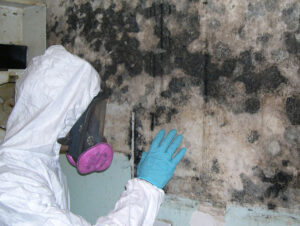 Dealing with mold can be frustrating and challenging, especially if it has spread to a large area or keeps coming back despite your best efforts. While DIY methods can be effective for small mould problems, there are certain situations when it’s best to call the professionals for mould removal Parramatta.
- If you have a severe mould infestation that covers a large area, it’s best to seek professional help. Professionals have the expertise, experience, and equipment to effectively and safely remove mould from your home. They can assess the extent of the problem, identify the underlying cause of the mould growth, and take appropriate measures to eradicate it.
- If you have recurring mould problems, it’s a sign that there may be an underlying issue that needs to be addressed. Professionals can help identify and fix any moisture or ventilation issues that are contributing to mold growth, preventing it from coming back in the future.
- If you or anyone in your household has severe allergies, respiratory problems, or a compromised immune system, it’s important to call professionals for mould removal. Exposure to mould can worsen these conditions and pose serious health risks. Professionals can ensure that the mould is completely removed and take measures to prevent any health hazards.
The Impact of Mould on Health and Well-Being
Mould is not only unsightly and damaging to your home, but it can also have a significant impact on your health and well-being. Exposure to mould spores can trigger respiratory problems, allergies, and even asthma attacks. For individuals with compromised immune systems or existing respiratory conditions, the effects can be even more severe. When mould is present in your home, it releases spores into the air you and your family breathe in. These spores can irritate the airways, leading to coughing, sneezing, and wheezing. In some cases, prolonged exposure to mould can even cause chronic sinusitis or lung infections.
Mould can produce mycotoxins, toxic substances that can hurt your health. These mycotoxins can cause various symptoms, including headaches, fatigue, and neurological issues. The impact of mould on your health and well-being is not to be taken lightly. That’s why it’s crucial to address any mould issues in your Penrith home promptly and effectively. Following the tips outlined in this blog post and seeking professional help when necessary, you can ensure a mold-free environment and enjoy a healthier living space for yourself and your loved ones.
The Importance of Proper Ventilation for Mould Prevention
Proper ventilation is a crucial aspect of preventing mould growth in your Penrith home. When the air circulates effectively, it helps to remove excess moisture and prevent the build-up of dampness that mould thrives on. Without adequate ventilation, humidity levels can rise, creating the perfect breeding ground for mould. One way to improve ventilation is by opening windows and doors to allow fresh air to enter your home. This helps to replace stale, humid air with drier air from outside.
Using exhaust fans in areas prone to moisture, such as bathrooms and kitchens, can help to remove humid air and prevent it from lingering. Another effective method for improving ventilation is by using dehumidifiers. These appliances remove excess moisture from the air, reducing humidity levels and inhibiting mold growth. Consider placing dehumidifiers in areas of your home that are prone to dampness. Proper ventilation not only helps to prevent mould growth but also promotes overall air quality in your home. Fresh air circulation can reduce allergens and improve respiratory health for you and your family.
FAQs
Q: How do I know if I have mould in my home?
A: Look out for signs such as a musty smell, discolored patches on walls or ceilings, or respiratory symptoms that worsen when indoors. Water damage and peeling wallpaper can also indicate the presence of mould.
Q: Can I remove mould myself?
A: For small areas of mould growth, you can try DIY methods using vinegar, hydrogen peroxide, or baking soda. However, for larger or recurring mould problems, it’s best to call professionals for assistance.
Q: How can I prevent mould from coming back?
A: Keep your home dry and well-ventilated, fix moisture issues, clean regularly, and use mold-resistant materials in vulnerable areas. Proper ventilation is key to preventing mould growth.
Q: When should I call professionals for mould removal Penrith?
A: If you have a severe mold infestation, recurring mold problems, or anyone in your household has severe allergies or respiratory conditions, it’s best to call professionals for help.
Conclusions
Mould removal in Penrith is a common challenge for homeowners, but it is not impossible to overcome. By understanding the basics of mould growth, recognizing the signs and symptoms of infestation, and implementing DIY methods for removal, you can effectively tackle this pesky problem. Additionally, by taking preventative measures such as proper ventilation and regular maintenance, you can significantly reduce the risk of mould growth in your home. Remember, when in doubt, don’t hesitate to call professionals for assistance. With these tips and strategies, you can say goodbye to mold and enjoy a healthier and mold-free living space in Penrith.